Knowing how to tell the difference between ferrous and non-ferrous metals can make it easier to sort unwanted materials before recycling. Although both categories can be recovered and reused, they have different properties, applications and potential scrap values.
Fortunately, you do not need specialist equipment to identify many common metals. A magnet, a visual inspection and a little background knowledge will often give you a good indication of what you have.
Ferrous metals contain iron. They are generally strong, durable and widely used throughout construction, manufacturing and engineering.
Common examples include:
Because they contain iron, most ferrous metals are magnetic. Many are also susceptible to rust when exposed to moisture and oxygen, although this depends on the composition and any protective coating applied to the surface.
Ferrous scrap might come from steel beams, old radiators, machinery, metal shelving, pipework or construction materials.
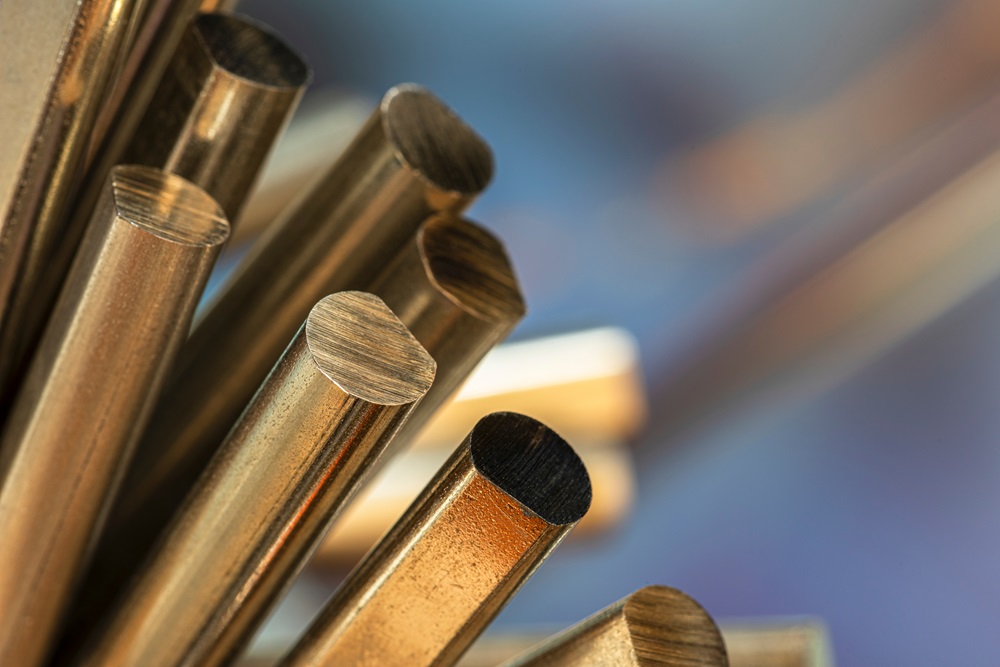
Non-ferrous metals contain little or no iron. They are commonly selected for their resistance to corrosion, lower weight, conductivity or appearance.
Examples include:
These materials are found in electrical wiring, plumbing, roofing, air conditioning systems, commercial kitchen equipment, window frames and numerous other products.
Non-ferrous metals can be particularly valuable when recycled, but their value depends on the type, condition, purity and current market price.
A magnet provides one of the quickest ways to distinguish between the two categories.
If the magnet sticks firmly, the item is likely to be a ferrous metal such as iron or carbon steel. If it does not stick, it may be a non-ferrous metal such as copper, brass or aluminium.
However, the magnet test is not completely conclusive. Some grades of stainless steel are magnetic, while others are not. Products may also contain several materials or have a non-ferrous coating over a ferrous base. Further inspection may therefore be necessary.
The colour and appearance of the material can offer additional clues:
Paint, dirt and protective finishes can hide these features, so appearance should be considered alongside other checks.
Weight can also help you identify an unknown material. Aluminium is noticeably lighter than steel of a similar size, which is one reason it is frequently used in vehicles, window frames and equipment.
Lead, by comparison, feels unusually heavy for its size. Copper and brass are also denser than aluminium, although distinguishing between metals based on weight alone can be difficult without a known sample for comparison.
Separating different metals can make scrap easier to assess and process. Keeping copper, brass, aluminium and steel in different containers may also help prevent smaller, higher-value materials from becoming mixed with general waste.
Remove obvious non-metal items where this can be done safely, but do not dismantle machinery, electrical equipment, pressurised containers or potentially hazardous components without the appropriate knowledge and equipment.
You can still arrange a collection if you are unsure what types of metal you have. A professional recycling team can inspect, sort and direct the materials to the appropriate recycling facilities.
Whether you have old machinery, construction waste, redundant pipework or mixed metal from a commercial clearance, London Surrey Metal Recycling can help.
Our scrap metal collection and recycling service provides a convenient way to remove unwanted ferrous and non-ferrous metals from sites across London and Surrey. Contact our team to discuss the materials you have and arrange a collection.
From site clearances to commercial kitchen strip outs, we offer a full range of metal recycling services tailored to your requirements. Trust us to handle your scrap metal efficiently and responsibly